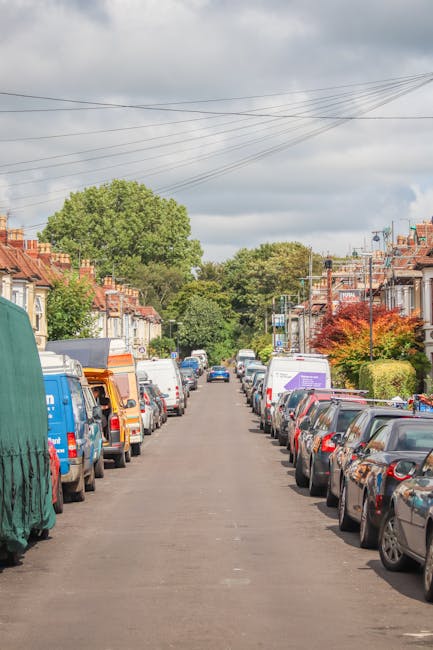
Man and van Primrose Hill Haverstock Hill narrow street guide
If you are planning a move around Primrose Hill and Haverstock Hill, the streets can be the difference between a smooth day and a very awkward one. A man and van Primrose Hill Haverstock Hill narrow street guide is really about one thing: getting people, furniture, and vehicles in and out safely when the roads are tight, parked up, or just not built for big vans behaving badly. It sounds simple enough, but in real life the details matter. A missed parking space, a stairwell with a tight turn, or a van that is just a touch too large can add stress fast.
This guide walks you through the practical side of moving in this part of north London. You will find local access advice, planning tips, common mistakes, and a step-by-step approach that helps whether you are moving a flat, collecting furniture, or organising a small office shift. Truth be told, narrow street jobs reward preparation more than brute force.
Table of Contents
- Why this narrow-street guide matters
- How a man and van move works here
- Key benefits and practical advantages
- Who needs this and when it makes sense
- Step-by-step guidance
- Expert tips for better results
- Common mistakes to avoid
- Tools, resources and recommendations
- Law, compliance and best practice
- Options and comparison
- Case study / real-world example
- Practical checklist
- Conclusion
- Frequently asked questions
Why Man and van Primrose Hill Haverstock Hill narrow street guide Matters
Primrose Hill and Haverstock Hill are attractive places to live and work, but the roads can be unforgiving for moving day logistics. There are tighter junctions, resident parking patterns, busy main-road stretches, and the kind of side streets where a van can feel like it has suddenly grown two extra feet. If you have ever watched a driver reverse cautiously while a neighbour squeezes past with shopping bags and a pram, you will know the vibe.
The point of a narrow-street moving guide is not to scare you. It is to reduce avoidable problems before they start. In our experience, most issues are predictable: poor parking plans, not enough carry distance planning, unclear access to the building, or underestimating how much time loading takes when a street is busy. A little forethought goes a long way.
This matters especially in areas like NW1 and NW3 where local access, timing, and vehicle size can affect the whole move. Even a small sofa delivery can turn into a long afternoon if the van cannot stop nearby. That is why planning around the street layout is just as important as packing the boxes.
Expert summary: On narrow roads, the best move is usually not the biggest vehicle, but the best-planned one. Clear access beats guesswork every time.
How Man and van Primrose Hill Haverstock Hill narrow street guide Works
A man and van service for narrow streets is typically arranged around access, vehicle choice, and carry efficiency. Instead of treating the move as a standard point A to point B job, the plan starts with the street itself. Where can the van safely pause? Is the property on a one-way road? Are there loading restrictions, resident bays, or timed bays? Will the team need to use trolleys, lifting straps, or a second pair of hands?
The process often looks like this:
- Review the collection and delivery points.
- Check the street width, parking limits, and any obvious obstacles.
- Choose a van size that fits the load and the access conditions.
- Plan the route from the van to the door, including stairs or tight hallways.
- Load in a practical order so essentials come out first.
- Allow a little buffer time for parking, doors, and short delays.
Simple on paper. Less simple when a delivery slot meets school-run traffic or an already-full street. That is life in London, really. The better operators do not just send a van; they think through the whole movement chain.
If you are comparing service types, it can help to look at the broader man and van option alongside more specific support such as removal services or even same-day removals if your timing is tight.
Key Benefits and Practical Advantages
The biggest advantage of a narrow-street-aware approach is fewer surprises. That sounds obvious, but on move day surprises are expensive in time, energy, and patience. A well-planned man and van job in Primrose Hill or on Haverstock Hill can save you from repeated parking changes, unnecessary lifting, and last-minute rescheduling.
- Better access planning: You reduce the chance of the van blocking traffic or being too far from the property.
- Less physical strain: Shorter carry distances matter more than people think, especially with heavier items.
- More reliable timing: Narrow streets often slow moves down, so a realistic plan keeps the day under control.
- Lower risk of damage: Fewer awkward turns and fewer rushed lifts usually mean fewer scuffs and knocks.
- Smarter vehicle choice: Sometimes a smaller removal van is genuinely better than a larger truck for local access.
There is also a confidence benefit. When you know the driver has thought about the street, you can focus on the move itself instead of playing parking detective. And let's face it, nobody wants that job on top of packing.
For furniture-heavy jobs, pairing the move with furniture removals or furniture pick up can make sense, especially if you are collecting one or two large items rather than shifting an entire household.
Who This Is For and When It Makes Sense
This kind of service is a good fit for a wide range of people, but it is especially useful if you are dealing with access constraints, a small-to-medium load, or a time-sensitive move.
It is a strong fit for:
- Flat movers in buildings with stairs or tight entrances
- Students moving into or out of shared accommodation
- Families shifting a few rooms' worth of furniture
- People buying or selling furniture locally
- Small offices relocating equipment or files
- Landlords and agents needing a fast turnaround
It also makes sense if you are not moving much volume but still need proper handling. A sofa, bed, wardrobe, or piano can demand just as much planning as a bigger house move. If the street is tight, the load can be modest and still awkward.
Some customers only need a single trip and a sensible loading plan. Others need a fuller service such as flat removals, home moves, or office removals. The key question is not just what you are moving, but how the street behaves when a van arrives.
Step-by-Step Guidance
If you want the move to feel organised rather than chaotic, follow a simple order. Nothing fancy. Just practical steps that reduce friction.
1. Measure the big items first
Measure sofas, beds, wardrobes, desks, and appliances before the move date. A quick width and height check can save a great deal of faff later. If an item barely clears the hallway, you need to know that before the van arrives.
2. Check access at both ends
Look at the property entrance, the staircase, any lift, and the road outside. Are there bollards, sharp corners, controlled parking bays, or a very narrow doorway? A property can look easy from the pavement and still be tricky once you get inside. Funny how that happens.
3. Pick the right vehicle size
Do not default to the largest van you can find. In tight streets, a more compact van may be easier to park and quicker to load. If your load is light but bulky, volume matters more than weight. If it is heavy and compact, loading support becomes more important.
4. Book the right time slot
Where possible, avoid the busiest times for the street. Early morning may be better for parking and access, while late afternoon can be chaotic. School drop-off periods, local deliveries, and commuter traffic can all get in the way. One short delay and suddenly the entire timing feels slippery.
5. Pack for quick unloading
Label boxes clearly, keep essentials separate, and put fragile items where they can be reached without unpacking half the van. If you need to access a kettle, bedding, or a laptop quickly, pack those items together. Small detail, big relief.
6. Make the route from van to door as short as possible
If a parking space is a little further away than ideal, think about whether items can be staged safely, or whether a trolley will help. The real aim is to cut down on repeated carrying.
7. Build in buffer time
Even a well-run local move can hit small delays. A neighbour may move their car. A loading bay may already be full. The lift might be slow. Give yourself breathing room and you will feel much calmer when something minor changes.
If you are still in the planning stage, practical support like packing and boxes or packing and unpacking services can remove a surprising amount of stress from the day.
Expert Tips for Better Results
Here is where the small gains really start to matter. These are the sorts of things that experienced movers tend to do almost without thinking.
- Choose the carry route before you arrive: Know which door, which staircase, and which direction to take the biggest items.
- Protect walls and doorframes: A simple blanket or protective wrap can prevent scuffs in tight hallways.
- Keep one person free to guide parking: In narrow streets, a spotter is often worth their weight in tea.
- Use the ground floor as a staging point: If the property layout allows it, gather items near the exit before loading.
- Separate fragile and heavy items: You do not want a lamp sitting under a box of books.
- Confirm access notes in advance: Lift access, entry codes, gate timings, and parking restrictions should all be clear before arrival.
One good habit is to imagine the job from the driver's point of view. Can they stop safely without causing a problem? Can the load be moved in one clean run? Would a smaller van make the whole thing easier? Thinking that way usually sharpens decisions very quickly.
For heavier or awkward items, you may also want to review specialist support like piano removals or broader house removals if the job is larger than it first appears.
Common Mistakes to Avoid
Most moving headaches are not dramatic disasters. They are small, preventable errors that pile up. Here are the common ones.
- Assuming parking will sort itself out: It rarely does, especially on busier stretches.
- Booking the wrong vehicle: Too big can be just as problematic as too small.
- Not checking item dimensions: That wardrobe that "probably fits" often does not.
- Leaving packing too late: Rushed boxes are harder to load and more likely to split.
- Ignoring stairs and internal turns: The building layout matters just as much as the road outside.
- Underestimating time: Small local moves still need breathing room.
There is also a more subtle mistake: focusing on the van and forgetting the destination. A move can run smoothly on the street but go sideways at the front door if the layout was never checked. It happens more often than people admit.
If you want a better sense of risk and planning quality, pages like insurance and safety and health and safety policy can help set sensible expectations before booking.
Tools, Resources and Recommendations
You do not need a huge kit to handle a narrow-street move, but a few practical tools make life easier.
| Tool or resource | Why it helps | Best use case |
|---|---|---|
| Measuring tape | Checks whether large furniture will fit through doors and hallways | Pre-move planning |
| Furniture blankets | Protects items and nearby walls during loading | Long or awkward carries |
| Straps or webbing | Makes lifting steadier and safer for heavy items | Wardrobes, drawers, appliances |
| Labels and marker pens | Speeds up unloading and room placement | Boxed household moves |
| Trolley or sack truck | Reduces carry fatigue and speeds up short-distance transport | Flat items, boxes, white goods |
| Floor plan or room list | Helps place items quickly on arrival | Full or partial removals |
Beyond equipment, the most useful resource is a clear booking conversation. Ask about vehicle size, timing, parking, loading help, and whether the route has been handled before. Local experience is valuable because streets have their own quirks. A driver who has worked around Haverstock Hill before will often already know the pressure points.
For local moving support, you may also find it useful to look at removal van, removal truck hire, or removals depending on how much you need to move.
Law, Compliance, Standards, or Best Practice
Narrow-street moves in London are not only about convenience. They also touch on parking rules, road access, loading etiquette, and basic safety standards. You do not need to become a transport expert, but it helps to understand the norms.
In practice, this means respecting local parking restrictions, not blocking emergency access, and avoiding unsafe stopping that could inconvenience residents or other road users. If the move involves parking in a restricted area or timing-sensitive space, the plan should be designed around those constraints rather than hoping for the best. That is where many moves go wrong.
Good operators also pay attention to insurance, safe lifting methods, and fair handling of property. If your move includes heavy items, shared entrances, or fragile furniture, it is sensible to ask how those are managed. The aim is not just speed. It is safe, predictable work that keeps everyone calm.
If you want to understand the company's standards in more detail, review the available terms and conditions, payment and security, and privacy policy. Those pages help set expectations in a straightforward way.
Options, Methods, or Comparison Table
Not every move in Primrose Hill or Haverstock Hill needs the same setup. Here is a simple comparison to help you decide what fits best.
| Option | Best for | Strengths | Trade-offs |
|---|---|---|---|
| Small man and van | Single items, studio moves, tight streets | Easier parking, flexible access, often quicker | Less capacity for larger loads |
| Medium removal van | One- to two-bedroom moves | Better balance of capacity and access | May be trickier to park on narrow roads |
| Large moving truck | Bulkier loads or multiple rooms | High capacity, fewer trips | Can be impractical on restricted streets |
| Full removal service | Complex household or office moves | More support, more structure | Usually more involved than necessary for small jobs |
For many local customers, the sweet spot is a flexible van service with loading help. If the access is especially awkward, a smaller vehicle may actually outperform a larger one. It sounds counterintuitive at first, but in real streets, not on paper, it makes perfect sense.
Case Study or Real-World Example
A typical example would be a one-bedroom flat move from a side street off Haverstock Hill to another property nearby. The customer has a sofa, a bed frame, a mattress, six boxes, and a small desk. Not a huge amount, but enough to need proper care.
At first glance, the move seems easy. Same area. Short distance. Job done, right? Then the details show up: limited parking outside the property, a narrow entrance hall, and a staircase with a corner turn that makes the sofa awkward. If the van arrives without a plan, the team may need to reposition several times. That means more time, more lifting, and more frustration for everyone.
The better approach is to check the parking situation in advance, confirm the sofa measurements, and use a smaller van that can stop closer to the door. The bed and mattress can be loaded first, the desk and boxes stacked safely, and the sofa moved after the route is clear. Nothing dramatic. Just tidy thinking.
In one real-world-style scenario, the difference between a tense move and an easy one was simply a ten-minute planning call the day before. That is often the case with narrow-street jobs. Not glamorous. Very effective.
Practical Checklist
Use this checklist before the van arrives. It will save you from the usual last-minute scramble.
- Measure large furniture and doorways
- Confirm whether the street has parking restrictions
- Check the easiest loading point outside the property
- Tell the mover about stairs, lifts, or narrow entrances
- Pack fragile items separately
- Label boxes by room
- Keep essentials in one clearly marked bag or box
- Ask about vehicle size and access suitability
- Leave buffer time for traffic and loading
- Protect floors, corners, and doorframes where needed
Quick sanity check: if you are unsure whether the van can stop safely or the furniture will fit through the route, ask before moving day. That tiny conversation can save a lot of heavy sighing later.
Conclusion
A good man and van Primrose Hill Haverstock Hill narrow street guide is really a guide to planning well in a challenging environment. These streets can be beautiful, but they do ask for a bit of respect. If you match the vehicle to the road, prepare the access route, and keep your packing and timing realistic, the move becomes much easier to handle.
The main lesson is simple: narrow streets reward calm, careful preparation. That applies whether you are moving one item or a whole flat. Start with access, think through the parking, and keep the loading route short and safe. Everything else gets easier after that.
If you are ready to book, want to compare options, or just need a clear quote, take the next step when it suits you.
Get a free quote today and see how much you can save.
And if today feels a bit overwhelming, that is normal. A well-planned move tends to settle the nerves faster than you expect.
Frequently Asked Questions
What is a man and van service for narrow streets?
It is a moving service designed to work around tight access, limited parking, and tricky loading conditions. The focus is on finding a practical vehicle size, safe stopping point, and efficient route from van to property.
Why is Haverstock Hill more difficult for removals than a wider road?
Because busy streets, parking pressure, and limited stopping space can slow everything down. When access is tight, even a short move needs more planning than you might expect.
Should I choose a smaller van for Primrose Hill streets?
Often, yes. A smaller van can be easier to park and quicker to position close to the property. That said, the right choice depends on the volume of your load and the size of the furniture.
How far in advance should I book a local man and van?
As early as you can, especially if you have a preferred time slot or a move that depends on parking being available. Last-minute bookings can work, but they leave less room for planning.
What should I tell the mover before the job starts?
Give them the exact address, access details, floor level, lift availability, parking restrictions, and any large or awkward items. The more accurate the information, the smoother the move tends to be.
Can a man and van handle just one or two items?
Absolutely. That is often the most practical use case. Sofas, beds, wardrobes, and other bulky items are common reasons people book a van even when they are not moving a full property.
Do I need help with packing for a narrow-street move?
Not always, but it helps if your move includes fragile items, a lot of boxes, or awkward furniture. Proper packing reduces loading time and makes it easier to move through tight hallways.
How do I avoid parking problems on move day?
Check the street layout beforehand, allow for loading restrictions, and discuss the plan with the mover. If needed, choose a time of day when parking is more likely to be available.
Is insurance important for local removals?
Yes. Even short local jobs benefit from clear insurance and safety arrangements, especially when heavy or valuable items are involved. It is one of those things you hope never to need, but you really want it in place.
What if my furniture does not fit through the hallway?
That is why measurements matter. If you suspect a tight fit, measure the item and the route in advance. In some cases, the piece may need to be dismantled or handled with extra care.
Are same-day moves possible in this area?
Sometimes they are, depending on availability and the size of the job. If time is tight, a same-day option may be worth exploring, but it is always better to give yourself as much notice as possible.
How can I tell whether I need a full removal service instead of a man and van?
If you are moving a larger household, office equipment, or multiple bulky items, a fuller service may be more suitable. If it is a smaller, simpler load, a man and van service is often the more flexible choice.
For more details on service options and company standards, you can also review the relevant pages on about us, contact us, and pricing and quotes.