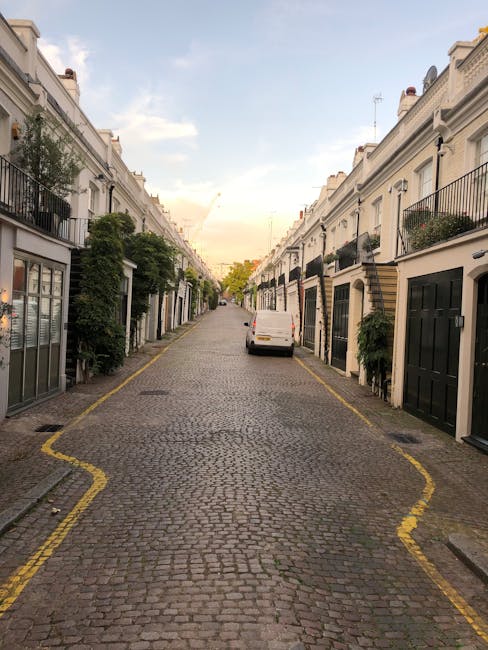
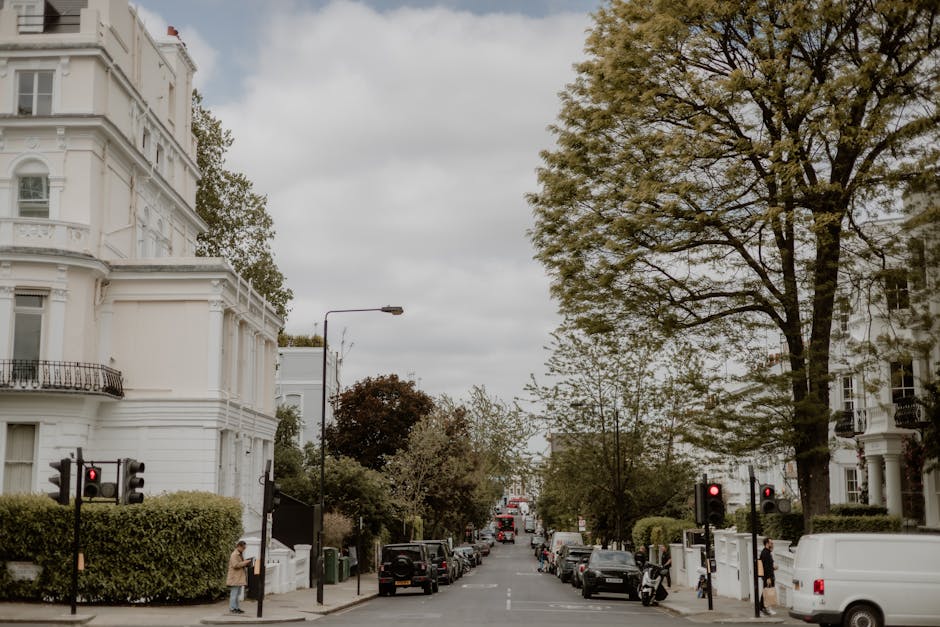
Insider tips for narrow street removals Gloucester Avenue
If you are planning a move on Gloucester Avenue, you probably already know the awkward bit is not the packing. It is the street. Narrow roads, parked cars, tight corners, residents coming and going, and the constant question of where the van can actually stop. That is exactly why Insider tips for narrow street removals Gloucester Avenue matter: a good move in this part of London is less about brute force and more about timing, vehicle choice, access planning, and calm, careful execution.
Truth be told, the difference between a stressful move and a manageable one is often decided before the first box is lifted. In this guide, you will find practical advice for narrow street removals, from choosing the right vehicle to avoiding the classic mistakes that turn a decent morning into a headache. We will also look at when it makes sense to use a man and van service, how to prepare for tight access, and what to expect from a professional team handling removal services in a busy London setting.
Expert summary: for narrow street moves, the winning formula is simple: measure first, book the right-sized vehicle, keep the route clear, pack smart, and build in more time than you think you need. Small details matter. A lot.
Table of Contents
- Why narrow street removals on Gloucester Avenue matter
- How a narrow street removal actually works
- Key benefits and practical advantages
- Who this is for and when it makes sense
- Step-by-step guidance
- Expert tips for better results
- Common mistakes to avoid
- Tools, resources and recommendations
- Law, compliance, standards and best practice
- Options, methods and comparison table
- Case study or real-world example
- Practical checklist
- Conclusion
- Frequently asked questions
Why narrow street removals on Gloucester Avenue matter
Gloucester Avenue, like many well-used London residential streets, can make a straightforward removal feel more complicated than it first looks. Narrow carriageways, intermittent parking, limited stopping space, and pedestrians moving through all add pressure. If the van is too large, or if the timing is wrong, even a simple one-bedroom move can become stop-start, with extra carrying distance and more chances for damage.
That matters for three reasons. First, time. The longer the loading process takes, the more likely it is that you run into parking stress or neighbour frustration. Second, safety. Tight spaces demand more care around furniture, door frames, railings, and other vehicles. Third, cost. A poor plan can add labour time and make the whole job more expensive than necessary.
There is also the human side of it. In a narrow street, people notice everything. A van blocking the road for too long, boxes left on the pavement, or a hurried rush in and out of a building can quickly create tension. A more thoughtful move tends to keep everyone calmer, including you. And honestly, calm is underrated on moving day.
If you are comparing your options, it helps to understand the difference between a standard move and a tight-access one. A professional team that understands removals in built-up London streets will usually plan for vehicle positioning, carry distances, and building access in a way that reduces friction from the start.
How narrow street removals on Gloucester Avenue works
A narrow street removal usually follows the same basic sequence as any home move, but with far more emphasis on access and control. The team needs to assess the street, the property entrance, the parking situation, and the route from the front door to the vehicle. That assessment changes everything.
In practice, a good move on a tight street works like this: the team arrives with the right vehicle size, ideally something that can be parked with minimal obstruction. They unload or stage boxes and furniture in a controlled way. Then they move items in a steady flow rather than leaving everything until the last minute. If there is a lift, a basement stair, a shared entrance, or a low archway, those details are factored in before the heavy lifting begins.
The vehicle choice is often the real deciding factor. For some jobs, a smaller removal van is the smartest option because it can fit better on a crowded street and reduce the need for awkward manoeuvring. For larger or mixed moves, a slightly bigger vehicle may still be suitable, but only if the access allows it. Bigger is not always better. That sounds obvious, yet people still get caught out by it.
Another part of how it works is sequencing. For example, if a sofa must come out before boxes are stacked at the door, that order matters. If fragile items are packed last and loaded first, the whole operation runs smoother. The move becomes more like choreography than chaos. Slightly less glamorous than it sounds, but much more effective.
Key benefits and practical advantages
When a narrow street move is planned properly, the advantages show up quickly. The move is faster because there is less indecision on the day. The load is safer because items are carried fewer unnecessary times. And the stress level drops, which may be the biggest benefit of all.
- Less disruption to neighbours: shorter parking stops and fewer blocked access points.
- Reduced carrying distance: the right vehicle and setup can cut the number of extra trips.
- Better protection for furniture: less squeezing, fewer sharp turns, and fewer bumps against walls.
- More predictable timings: useful if you are collecting keys, handing over a property, or coordinating access.
- Lower chance of last-minute panic: a proper plan means fewer surprises when the van arrives.
There is also a financial benefit, even if it is not always obvious at first. A well-planned narrow street removal can reduce avoidable delays, which can help keep labour time under control. That is especially useful if you are moving a flat, a student room, or a smaller household and want a more efficient service. If packing support is part of your move, take a look at packing and boxes and packing and unpacking services to see how professional preparation can take pressure off the day itself.
Who this is for and when it makes sense
This advice is for anyone moving in or around Gloucester Avenue where the street width, parking layout, or access conditions are likely to make standard removals harder. That includes people moving from upper-floor flats, period properties with narrow staircases, maisonettes, converted buildings, and homes with limited front access.
It is also useful if you are moving at a busy time of day. Morning school runs, lunchtime traffic, and the late-afternoon rush can all complicate the simple act of stopping a van. If your move needs to happen quickly, a tighter, more flexible approach is usually better than sending in the largest vehicle available.
These tips matter particularly for:
- Flat and apartment moves with shared entrances
- House moves with restricted front access
- Student moves with awkward load lists and tight timings
- Office or studio relocations where equipment needs careful handling
- Furniture pick-ups where the item is large but the access is small
For instance, if you are moving a one-bed flat with a few bulky items, a focused small-vehicle solution may be more efficient than a bigger lorry that cannot park sensibly. That is where flat removals can be a better fit than a broad-brush approach. The same thinking applies if you are moving a business property and need a controlled, staged relocation; in that case, commercial moves or office removals may be more suitable.
Step-by-step guidance
Here is a practical way to handle narrow street removals on Gloucester Avenue without losing your mind halfway through the morning.
- Measure the access properly. Check doorway widths, stair turns, hallway corners, and anything awkward like banisters or low ceilings. Do not rely on memory. That is where people get caught out.
- Match the vehicle to the street. A compact vehicle is often easier to park and unload. If the road is especially tight, a smaller solution may save time even if it means a slightly different loading pattern.
- Plan the load order. Heavy and awkward items should be prioritised so they are not trapped behind boxes. Keep essentials easy to reach.
- Clear the immediate route. Move rugs, coat stands, pet items, loose cables, and anything else likely to snag feet or furniture.
- Protect the building and furniture. Use covers, blankets, and proper lifting techniques. Narrow streets often mean more close contact with walls and railings.
- Keep a parking fallback in mind. If the first stopping point is taken, know your second-best option. That little bit of planning can save ten minutes of staring at the road in silence. Not ideal.
- Communicate timing clearly. Let everyone involved know when to expect the van, when access will open, and where items should be staged.
- Leave a buffer. Narrow street moves nearly always benefit from extra time. A buffer prevents one small delay from becoming the whole day.
If your move includes especially heavy items, such as a piano or large wardrobe, you may need specialist handling rather than standard lifting. In that case, a dedicated piano removals service is worth considering, and for large or awkward furniture, furniture removals may be the safer route.
Expert tips for better results
Here is where the practical detail really pays off. These are the small things that tend to make the biggest difference on narrow London streets.
1. Prioritise the shortest carry route, not just the nearest parking space
The obvious parking place is not always the best one. Sometimes a slightly less convenient bay, but with a cleaner route to the front door, is far easier than squeezing into a space that creates a clumsy carry path. A straight, safe route usually beats a technically closer one.
2. Break the move into loading zones
Think of the move in zones: inside staging point, doorway, pavement, and vehicle. When each zone has a purpose, the flow feels more controlled. It is a simple trick, but it reduces clutter, and clutter is what makes narrow street moves feel chaotic.
3. Keep fragile items apart from high-pressure items
On a tight street move, people sometimes over-pack the same box because they are worried about space. Better to separate fragile items into clearly marked, well-padded cartons than risk damage because the box was "nice and full." Nicely full is not the goal. Safe is the goal.
4. Use soft packing for awkward items
Blankets, towels, and wraps can be very useful for protecting corners, handles, and painted surfaces. A scratched chest of drawers is annoying anywhere, but on a narrow street with repeated door-frame contact, the risk increases fast.
5. Watch the weather
A damp pavement, a gusty day, or early-morning frost can all slow things down. London weather likes to throw in a little drama. Nothing major usually, just enough to make grip and pacing matter more.
6. Choose the right kind of help
If you only need transport and lifting support, a flexible man with a van arrangement may be enough. If the job is more involved, a broader removal services package can give you more structure. The right choice depends on access, item volume, and how much organising you want to do yourself.
Common mistakes to avoid
Most bad moving days are not caused by one giant disaster. They are caused by several small, avoidable errors stacked together. The good news? That means you can usually prevent them.
- Booking too large a vehicle. If it cannot turn, stop, or load sensibly, it is the wrong size.
- Ignoring the street layout. A narrow road with parked cars may need a more careful arrival plan than a typical suburban street.
- Leaving packing until the last minute. Rushed packing leads to weaker boxes and more damage.
- Forgetting about upstairs access. A lift helps, but stairs and corners still matter.
- Not warning neighbours or building management when appropriate. Courtesy goes a long way, especially on close streets.
- Blocking the entrance unnecessarily. It is tempting to stack everything by the door. Usually a bad idea.
- Underestimating time. Narrow street removals nearly always take a little longer than expected.
One more thing: people often assume that if the furniture fits inside the property, it will fit out again. That is not always true. Door angles, stair rail width, and turn points can change the entire calculation. Measure twice. Then measure again if the sofa is especially smug-looking.
Tools, resources and recommendations
You do not need a shed full of specialist kit, but a few well-chosen tools make a real difference on a narrow street move.
| Tool or resource | Why it helps | Best used for |
|---|---|---|
| Furniture blankets | Protects corners and painted surfaces during tight manoeuvres | Sofas, tables, wardrobes |
| Reusable straps | Helps keep loads stable in the vehicle | Mixed loads, heavier items |
| Strong tape and labels | Makes packing and unloading more organised | Boxes, fragile items, room sorting |
| Sliders or dollies | Reduces strain when moving heavier items over short distances | Large furniture, repeated trips |
| Inventory list | Helps keep track of what is loaded, moved, and delivered | Flats, shared moves, office items |
If you need somewhere to keep items between move-out and move-in dates, storage can be a practical buffer. That can be especially helpful if your keys are not aligned perfectly, which happens more often than anyone likes to admit.
For customers who prefer a more hands-off experience, an organised move supported by home moves expertise can bring structure to the whole process. And if you are clearing unwanted items as part of the move, furniture pick up may help with the bits that do not need to travel to the new place.
Law, compliance, standards and best practice
For narrow street removals in London, the most important thing is not a dramatic legal rule; it is careful, respectful, and lawful operation. You should assume that parking, loading, and access must be handled in line with local restrictions and sensible road safety practice. If a vehicle cannot stop safely or legally, the plan needs to change.
Professional removals teams also tend to follow internal health and safety procedures, insurance requirements, and general duty-of-care principles. That includes proper lifting techniques, sensible load distribution, and care around stairs, entrances, and fragile fixtures. If you want to understand how a provider approaches this side of the work, it is worth reviewing pages such as health and safety policy and insurance and safety.
There is also a customer-service side to compliance. Clear pricing, clear terms, and transparent handling of complaints all matter. A move that starts with good information is usually easier to manage if anything changes on the day. Relevant supporting pages include pricing and quotes, payment and security, terms and conditions, and complaints procedure.
For businesses, the same principles apply, just with more moving parts. A scheduled office relocation services move should still be planned carefully around access, security, and downtime. And if sustainability matters to your move, recycling and waste reduction can be considered through recycling and sustainability practices.
Options, methods and comparison table
Not every narrow street move needs the same setup. Here is a simple comparison to help you decide what fits best.
| Option | Best for | Strengths | Watch-outs |
|---|---|---|---|
| Small man and van | Studios, single rooms, lighter flat moves | Easy access, flexible parking, often quicker on tight streets | Limited load capacity if you underestimate volume |
| Standard removal van | One to two-bedroom moves with moderate furniture | Good balance of space and manoeuvrability | May still be awkward if the street is very constrained |
| Larger removal vehicle | Bigger households, fuller loads, multi-room moves | More space, fewer trips if access permits | Harder to position safely on narrow roads |
| Storage-assisted move | Moves with date gaps or staged delivery | Reduces pressure if move-out and move-in do not align | Requires extra planning and coordination |
The best option is usually the one that reduces friction, not the one that looks most impressive on paper. In a narrow street, practicality wins every time. A smarter vehicle choice often means a smoother day.
Case study or real-world example
A typical narrow street move on Gloucester Avenue might involve a first-floor flat, a few bulky items, and no spare parking directly outside. The resident has packed most boxes well, but there is a sofa, a desk, and a small set of drawers that need careful handling. On the day, the team arrives in a compact vehicle, checks the best stopping point, and stages items near the entrance before loading them in a sensible order.
Because the route from the flat to the vehicle has been cleared in advance, the team is not constantly stopping to move shoes, plant pots, or stray storage baskets. The loading area stays tidy. The sofa is wrapped before it is moved through the hallway, so it does not scrape the wall. The whole job still takes attention, of course, but it does not spiral into chaos. That is the difference a proper setup makes.
In a slightly busier version of the same move, the customer also uses short-term storage because the new place is not ready until the following afternoon. That removes pressure from the schedule and makes the day feel far more manageable. Small adjustment, big relief.
What stands out in these jobs is that the winning move is usually not dramatic. It is quiet, organised, and just a little boring. Which, in removals, is actually a compliment.
Practical checklist
Use this checklist before move day. It is simple, but it catches most of the issues that slow down narrow street removals.
- Measure furniture, doors, stairs, and awkward turns.
- Confirm the best loading point on Gloucester Avenue or nearby.
- Choose a vehicle size that suits the street, not just the volume.
- Pack fragile items separately and label boxes clearly.
- Keep essentials, documents, keys, and chargers in one easy-to-reach bag.
- Protect floors, corners, and furniture with blankets or covers.
- Tell neighbours or building contacts if access may be temporarily affected.
- Plan for a backup parking or staging option.
- Leave a little extra time for tight access and traffic.
- Review the provider's about us information so you know who you are dealing with.
If you are moving with children, pets, or a lot of awkward furniture, give yourself even more margin. You will thank yourself later, probably right around the moment everyone is hungry and the kettle is somewhere in a box marked "misc."
Conclusion
Narrow street removals on Gloucester Avenue are entirely manageable when you treat them like a logistics job rather than a simple carry-and-load task. The key is to respect the street: plan access carefully, choose the right vehicle, pack in a way that supports the move, and build in enough time for the realities of London parking and pavement space.
If you remember only one thing, make it this: the smoothest move is the one that is prepared before the van arrives. Everything else becomes easier from there. A little patience, a bit of planning, and the right support can turn a tight-access move into a steady, ordinary day - and that is exactly what you want.
Get a free quote today and see how much you can save.
Frequently Asked Questions
What are the best insider tips for narrow street removals Gloucester Avenue?
The best tips are to measure access properly, choose a vehicle that fits the street, stage items near the entrance, and leave extra time for parking and loading. Small planning decisions make the biggest difference.
Is a smaller van better for narrow street removals?
Often, yes. A smaller van can be easier to park and position on a narrow street, which reduces awkward manoeuvring and can speed up loading. The right size depends on your load and the street itself.
How do I know if my furniture will fit through a narrow hallway or staircase?
Measure the widest furniture dimensions and compare them with the tightest points on the route, including door frames, corners, and stair turns. Do not forget to allow for angle changes when turning items.
Should I pack everything before moving day?
Yes, ideally. Fully packed boxes and clearly labelled items help the move run more smoothly and reduce time spent making decisions on the pavement or in the doorway.
What if there is no parking directly outside?
That is common on narrow London streets. A good removal plan will account for a nearby loading point or alternative stopping area so the move can still proceed without unnecessary delays.
Are narrow street removals more expensive?
They can be if the access is poor or the move takes longer than expected. But good planning often keeps the job efficient, which may help avoid unnecessary extra time.
Can I use a man and van service for a Gloucester Avenue move?
Yes, if the load size and access conditions suit that kind of setup. A flexible man and van service can be a strong fit for smaller or medium-sized moves.
What should I do with bulky items like sofas or wardrobes?
Check measurements in advance, protect edges with blankets, and make sure the route from the property to the vehicle is clear. For especially awkward items, consider specialist help such as furniture removals.
How can I reduce the risk of damage during a narrow street move?
Use strong packing materials, wrap fragile corners, keep pathways clear, and avoid rushing doorways or stair turns. Damage usually happens when people hurry through tight spaces.
What if my move date changes or the new property is not ready?
Short-term storage can help bridge the gap. It is a practical option when timings do not line up neatly, which happens more often than people expect.
Is it worth using professional removals help for a small flat?
Yes, especially if the access is awkward. A smaller move on a tight street can still be surprisingly tricky, and professional support often saves time and stress. Sometimes the "small move" is the one that needs the most care.
How early should I book a narrow street removal on Gloucester Avenue?
As early as possible, particularly if you need a preferred time slot or have complex access. Early booking gives more room to plan parking, packing, and vehicle choice properly.