Case study removals Chalcot Crescent to NW3 small flat success
If you are planning a move in north-west London, the phrase Case study removals Chalcot Crescent to NW3 small flat success probably tells you exactly what you want: a real-world, practical example of how a compact flat move can be handled without stress, wasted time, or unnecessary damage. Small flat removals can look simple on paper. In real life, though, they often come with awkward stairwells, tight parking, careful timing, and that familiar feeling of "there's more stuff here than I thought". This article breaks down how a well-run local move should work, what makes a small-flat relocation succeed, and the details that matter most when moving around Primrose Hill and the wider NW3 area.
Whether you are comparing flat removals, deciding between a man and van option and a bigger vehicle, or just trying to make sense of the moving day chaos, this guide is built to help. You will find a step-by-step approach, common mistakes, compliance considerations, a realistic example, and a checklist you can actually use. Nice and straight, really.
Table of Contents
- Why this kind of move matters
- How the move works in practice
- Key benefits and practical advantages
- Who this is for and when it makes sense
- Step-by-step guidance
- Expert tips for better results
- Common mistakes to avoid
- Tools, resources and recommendations
- Law, compliance, standards and best practice
- Options, methods and comparison
- Case study or real-world example
- Practical checklist
- Conclusion
- Frequently asked questions
Why Case study removals Chalcot Crescent to NW3 small flat success Matters
Moves within NW3 often sound straightforward because the distances are short. That is exactly why people sometimes underestimate them. A move from Chalcot Crescent to another NW3 flat can be a short hop on the map but still a proper logistical job. You are dealing with local streets, shared entrances, parking pressure, and all the usual small-home realities: narrow hallways, limited lift space, lots of fragile items, and furniture that was somehow easy to buy but difficult to get back out again.
What makes this kind of case study useful is not the postcode alone. It is the combination of factors that many people face in London: short-notice availability, compact living spaces, and the need for a tidy, controlled move rather than a big all-day upheaval. If you are arranging a move from a small flat, success is usually about preparation and precision, not brute force. A van loaded well will always beat a larger vehicle packed badly. That sounds obvious, but in practice it is where a lot of moves go sideways.
There is also the trust factor. People want reassurance that a removal team can handle belongings carefully, arrive on time, and work around the realities of London roads and buildings. For that reason, many readers also look into broader support like removals, removal services, or even home moves if they are relocating beyond a single flat.
Key takeaway: a successful small-flat move in NW3 is less about size and more about timing, access, packing quality, and sensible vehicle planning.
How Case study removals Chalcot Crescent to NW3 small flat success Works
A successful local move usually follows a simple but disciplined process. First comes the survey of the job. Not always a formal survey, to be fair, but at minimum a conversation about what needs moving, what can be dismantled, how many boxes there are, and whether there are awkward items like mirrors, artwork, or a sofa that only fits through a doorway at one exact angle. That last part always seems to happen.
Next comes the planning stage. In a compact London move, planning is not just about the clock. It is about access. Can the vehicle park close enough? Are there staircases? Is there lift access? Can bulky items be moved without blocking other residents? These are the questions that separate a smooth move from a stressful one.
Then there is packing. If you pack badly, the move becomes a game of avoidable risk. Good packing means sturdy boxes, labelled rooms, and sensible grouping: books together, kitchen glassware together, cables together, and loose items secured so they do not rattle around like coins in a pocket. For support, some people use packing and boxes or packing and unpacking services to make the whole process calmer.
On moving day, the crew should load systematically. Heavy items first, then medium items, then lighter and more fragile pieces layered safely. A good mover will also check corners, protect common contact points, and keep a clear path through the property. It is not glamorous work. It is careful work. There is a difference.
Finally, there is unloading and placement. The success of a small-flat move is often decided in the last ten minutes. Items should go where they belong, not just where they fit. That saves a lot of shuffling later, which nobody wants after a long day.
Key Benefits and Practical Advantages
A well-run small flat move has benefits that go beyond getting from A to B. When it is handled properly, it can save time, reduce pressure on neighbours, and minimise the risk of damage to floors, walls, and belongings. That matters especially in older residential streets where access can be tight and everyone seems to have somewhere to be.
- Less stress on moving day: a clear plan means fewer last-minute surprises.
- Reduced breakage risk: good packing and loading habits protect delicate items.
- Better time control: local moves can be completed in a shorter window when access is managed well.
- Lower disruption: sensible planning keeps noise, blocking, and hallway congestion to a minimum.
- More efficient use of vehicle space: a carefully loaded van often performs better than a larger, loosely organised move.
There is also a practical money angle. You may not need a huge vehicle or an oversized team for a small flat. Choosing the right scale of support can be more efficient than booking more than you need. If you are comparing options, it can help to review pricing and quotes alongside the actual volume of items and the access conditions. Cheap is not always cheap if it leads to delays, breakages, or a second trip.
Another advantage is sustainability. Local, carefully planned removals can reduce wasted journeys and unnecessary packaging waste. If that matters to you, it is worth considering a provider with clear recycling and sustainability practices. Not a magic fix, obviously, but a sensible part of modern moving.
Who This Is For and When It Makes Sense
This kind of move is especially useful for people leaving or entering a one-bedroom or studio flat, tenants working to a fixed move-out time, or anyone relocating within the NW3 area with a limited amount of furniture. It also suits people who do not have a full house's worth of items but still want a professional approach.
You might be a good fit if you are:
- moving between small flats in Primrose Hill, Belsize Park, or nearby NW3 streets;
- downsizing and only taking selected furniture pieces;
- moving a student or young professional household;
- working to a tight handover window;
- looking for help with a sofa, bed frame, boxes, and a few fragile items rather than a full lorry load.
In some cases, a local move is not just about transport. It can also involve temporary holding space, furniture drop-off, or a last-minute same-day change. If your plans are a bit fluid, storage and same-day removals may be worth considering. Life happens. The van turns up, but the new place is not ready yet. Very London, that.
This approach also makes sense for people who want to keep the move uncomplicated. If you do not need a huge team, a smaller and more agile setup can feel less disruptive and more personal. You get less noise, less fuss, and fewer people standing around asking where the kettle is.
Step-by-Step Guidance
Here is a clear way to organise a small-flat move in a busy area like NW3.
- Confirm the inventory. Write down the furniture, boxes, and any awkward items. Be honest here. That old exercise bike does count, even if you have not used it since 2021.
- Check access details. Note floor level, lift availability, parking restrictions, and whether there are narrow stairs or tight corners.
- Decide what to dismantle. Beds, tables, shelving, and some wardrobes may move more safely if taken apart in advance.
- Pack by room and fragility. Label boxes clearly. Use smaller boxes for books and heavier items, and do not overfill them.
- Protect fragile items properly. Wrap glass, lamps, mirrors, and electronics separately. If in doubt, give them a bit more padding than you think they need.
- Prepare the route. Keep hallways clear, reserve lift time if needed, and make sure keys are ready.
- Load in a logical order. Heavy items go in first and secure, then boxes, then lighter pieces. Keep essential items accessible.
- Unpack the essentials first. Bed, bedding, kettle, chargers, and a few kitchen basics. That first cuppa matters more than people admit.
If you need a broader moving setup, you may also want a vehicle-only option such as a removal van or a more flexible man with a van arrangement. The right choice depends on access, timing, and how much lifting is involved.
Expert Tips for Better Results
After plenty of small moves, one thing becomes clear: the small details make the biggest difference. Not a very original sentence, I know, but it is true.
Tip 1: leave a path through the flat. That means boxes out of the hallway, coats off hooks, and shoes moved away from the threshold. It sounds basic, but it keeps the move moving.
Tip 2: keep a "first night" bag separate. Toiletries, charging leads, medication, documents, snacks, and a change of clothes should not be buried in box number 18. You want that bag easy to reach when everything else is stacked up.
Tip 3: photograph anything valuable or delicate before the move. This helps with condition checks later and gives you a simple record if you need one.
Tip 4: be realistic about parking. In places like Chalcot Crescent and the surrounding streets, a short walk from vehicle to door can change the whole schedule. Build that into your timing rather than hoping it will be fine.
Tip 5: choose the right level of support. For some moves, a simple loading-and-transport service is enough. For others, you may want help with dismantling, packing, and reassembly. If you need a more fully managed move, compare your options against removal services and, if the property type is relevant, flat removals.
One little trick that saves headaches: keep screws, bolts, and fittings in labelled bags taped to the item they belong to. It is not fancy, but it works. And yes, it can stop that awkward hour of "where did we put the bed fittings?" which somehow always becomes a group project.
Common Mistakes to Avoid
The most common problem in small flat removals is not the move itself. It is the planning gap before the move. People often assume that because there are fewer rooms, there is less to manage. Then the day arrives and the hallway is full, the sofa will not turn, and someone is looking for the tape gun that vanished two days ago.
- Underestimating volume: small flats accumulate more loose items than expected.
- Poor labelling: unlabeled boxes slow down unpacking and create confusion at the destination.
- No access check: stairs, lifts, and parking can change everything.
- Leaving packing to the last night: rushed packing usually means damaged items.
- Forgetting shared building rules: noise, lift bookings, or loading restrictions can create avoidable friction.
- Choosing the wrong vehicle size: too small may require extra trips; too large may be awkward for tight streets.
Another mistake is not thinking about unwanted items. If you are moving out of a small flat, this is often the ideal moment to reduce clutter. A move is easier when you are not transporting things you never really wanted in the first place. If disposal or donation planning is part of the job, you may find furniture removals or furniture pick up useful in the right circumstances.
Tools, Resources and Recommendations
You do not need a mountain of gear for a successful small flat move, but a few sensible tools make a big difference.
- Strong moving boxes: sturdy enough for books, kitchenware, and general household items.
- Packing tape and a dispenser: saves time and gives a cleaner seal.
- Marker pens and labels: crucial for room-by-room organisation.
- Bubble wrap or paper padding: useful for fragile items and awkward shapes.
- Blankets and covers: helpful for protecting furniture during transit.
- Basic tools: screwdriver, Allen key, and small bags for fittings.
For people moving out of a compact apartment, a man with van setup can be a sensible balance of flexibility and practicality. If the move includes heavier or more awkward furniture, you may also want to look at removal truck hire or even a broader moving truck option depending on scale and access.
For personal trust and service understanding, it is also worth reading a company's background and approach. Pages such as about us and insurance and safety can help you judge whether the operator looks organised, accountable, and properly set up. That peace of mind counts for a lot on moving day.
Law, Compliance, Standards, or Best Practice
For a local flat move in London, most of the relevant expectations sit around safe handling, access management, insurance awareness, and sensible building etiquette. The exact legal position can vary depending on the property, landlord requirements, and the service you book, so it is wise to keep things practical rather than overly formal.
As a rule of thumb, a trustworthy removal provider should be clear about:
- how items are handled and loaded safely;
- what level of insurance applies;
- how payment is processed securely;
- what the booking terms are;
- how complaints are handled if something goes wrong.
That is why it helps to review pages like terms and conditions, payment and security, and complaints procedure before you book. You are not being difficult by checking these things. You are being sensible.
Best practice in removals also includes respectful behaviour in shared spaces, avoiding blocked fire routes, using appropriate lifting techniques, and taking care around walls, bannisters, and floor finishes. If your building has specific requirements, follow them. Simple as that. Sometimes the most professional thing you can do is work quietly and leave the place looking untouched, except for the boxes.
Options, Methods, or Comparison Table
Here is a practical comparison of common approaches for a small flat move in NW3. The best choice depends on volume, access, and how much help you want on the day.
| Option | Best for | Strengths | Possible limitations |
|---|---|---|---|
| Man and van | Small to medium flat moves | Flexible, economical, good for short local jobs | May need careful packing and access planning |
| Flat removals | Apartment moves with furniture and boxes | Tailored to flats, often efficient in urban buildings | May still require lift or stair coordination |
| Removal van hire | Smaller loads or single trips | Simple transport solution, useful for compact moves | Less hands-on support if you need packing help |
| Full removal services | Moves needing more coordination | More support with loading, timing, and handling | Can be more than you need for a very small move |
If you are moving from a small flat and not taking much furniture, the leaner options often make the most sense. If you are moving a packed one-bed with a bed frame, sofa, dining table, and a dozen boxes, a fuller service can be the smarter call. The trick is matching the service to the actual job, not the idea of the job.
Case Study or Real-World Example
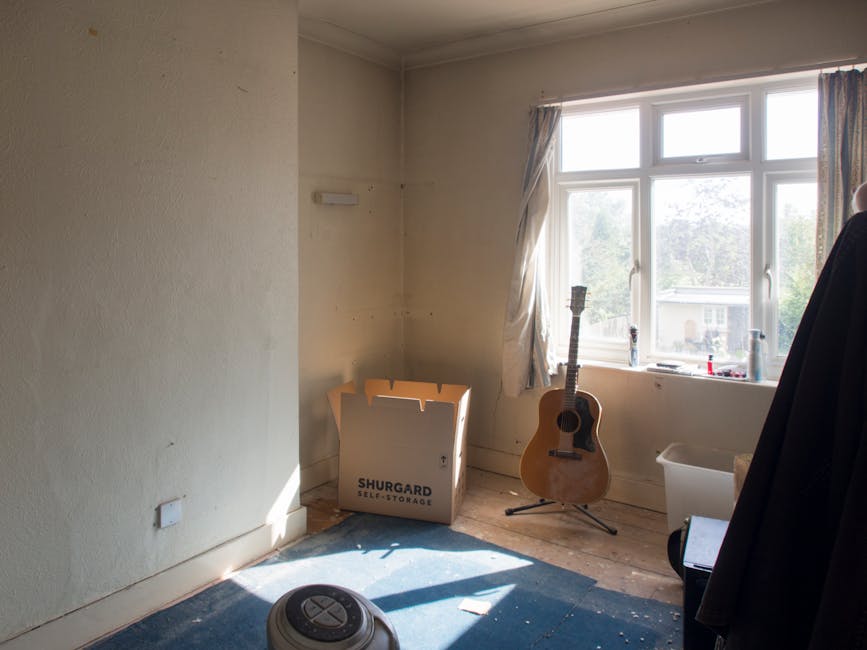
Here is a realistic example based on the kind of move this topic points to. A tenant leaves a small flat near Chalcot Crescent and moves to another NW3 property. The move is local, but the old building has a narrow stairwell and limited waiting space outside. The new flat has better access, but only if the vehicle arrives during a short window when the road is relatively clear.
The move is organised in advance with a modest inventory: bed, mattress, small sofa, coffee table, desk, kitchen boxes, clothes, and a couple of fragile items. A proper packing session is done the evening before. Boxes are labelled by room and priority. A "first night" bag is set aside with bedding, toiletries, a phone charger, and a kettle. Little things, but they matter more than people expect.
On the day, the team arrives with the right vehicle size and starts by clearing the easy items first so the path stays open. Furniture is protected, items are carried carefully, and the load is balanced so nothing shifts during transit. At the destination, boxes go straight into the correct rooms, which avoids the usual mountain in the hallway. The bed is reassembled first. That is always a good morale boost.
The outcome is a smooth, same-day local move with no drama, no missing pieces, and no damage. The move feels quick not because it was rushed, but because it was planned well. That is the real success here. Not speed for its own sake. Controlled speed. There is a difference, and you notice it most when you are staring at a staircase with a sofa in your hands.
Practical Checklist
Use this checklist before moving day. You can print it, copy it, or just keep it on your phone.
- Confirm moving date, time, and access arrangements.
- Measure large furniture against doorways, stairs, and lift space.
- Reserve parking or check loading restrictions if needed.
- Pack non-essential items early.
- Label every box clearly with room and contents.
- Prepare tools for dismantling and reassembly.
- Keep valuables, documents, and keys with you.
- Set aside a first-night bag.
- Protect fragile items with proper wrapping.
- Clear hallways and entry points before the crew arrives.
- Check insurance and booking terms in advance.
- Plan what to do with unwanted furniture or clutter.
If you are moving out of a flat that includes awkward or heavy items, it can help to look at piano removals or furniture removals where relevant. Not every move needs those services, of course. But when it does, it is better to plan than improvise.
Conclusion
A successful move from Chalcot Crescent to another NW3 small flat is rarely about luck. It comes from realistic planning, the right vehicle choice, tidy packing, and an understanding of local access conditions. When those parts are handled well, the day feels calmer than you expected. Still busy, still moving boxes around, but calmer. And that counts for a lot.
The real lesson from this kind of case study is simple: small flat removals are only "small" if you prepare them properly. Get the inventory right, respect the access, and choose the level of help that fits the job. Do that, and the move tends to run smoothly enough that you can actually enjoy the first tea in the new place.
Get a free quote today and see how much you can save.
Frequently Asked Questions
What makes a small flat move in NW3 different from a standard house move?
Small flat moves are usually shorter, quicker, and more access-sensitive. The challenge is often narrow stairs, limited parking, and compact rooms rather than the total number of items.
Is a man and van enough for a Chalcot Crescent to NW3 move?
Often, yes, if the load is modest and the access is manageable. For a small flat with a bed, sofa, boxes, and a few extra items, a man and van style service can be a sensible fit.
How far in advance should I book a local flat removal?
As early as you can if your date is fixed. Short local jobs can sometimes be arranged more quickly, but popular dates and tight access windows are always easier to manage with a bit of notice.
What should I pack first when moving from a small flat?
Pack non-essential items first: books, seasonal clothes, spare kitchenware, ornaments, and anything you will not need before moving day. Leave essentials like chargers, toiletries, and bedding until the end.
Do I need to dismantle furniture before the move?
Not always, but it often helps. Beds, shelving, and some tables move more safely when taken apart. If you are unsure, check the size against doorways and stair turns first.
How do I avoid damage during a small flat move?
Use proper packing materials, label fragile boxes, secure loose parts, and make sure the loading order is logical. Damage usually happens when items are rushed, overfilled, or left unprotected.
What if my new flat is not ready on the same day?
That is where storage can be useful. It gives you breathing room if the new place is delayed or you need to bridge the gap between move-out and move-in dates.
Are same-day removals realistic for a small flat?
Yes, they can be. If the inventory is small, access is straightforward, and the route is local, same-day removals are often a practical option.
What should I ask about insurance before booking?
Ask what is covered, how items are handled, and what happens if something is damaged in transit. A clear provider should be able to explain this without making it sound like a puzzle.
How do I choose between flat removals and full removal services?
If your move is primarily a compact apartment relocation, flat removals may be the more precise fit. If you need more coordination, more handling, or a fuller service, then removal services may suit you better.
Can unwanted furniture be taken away during the move?
Sometimes, yes. If you are clearing out pieces you no longer want, options like furniture pick up or furniture removals can be relevant depending on the item and the job plan.
What is the biggest mistake people make with small flat moves?
Assuming small means simple. The number of rooms may be smaller, but access, timing, and packing still need real attention. Get those right, and the move usually feels much easier than expected.